
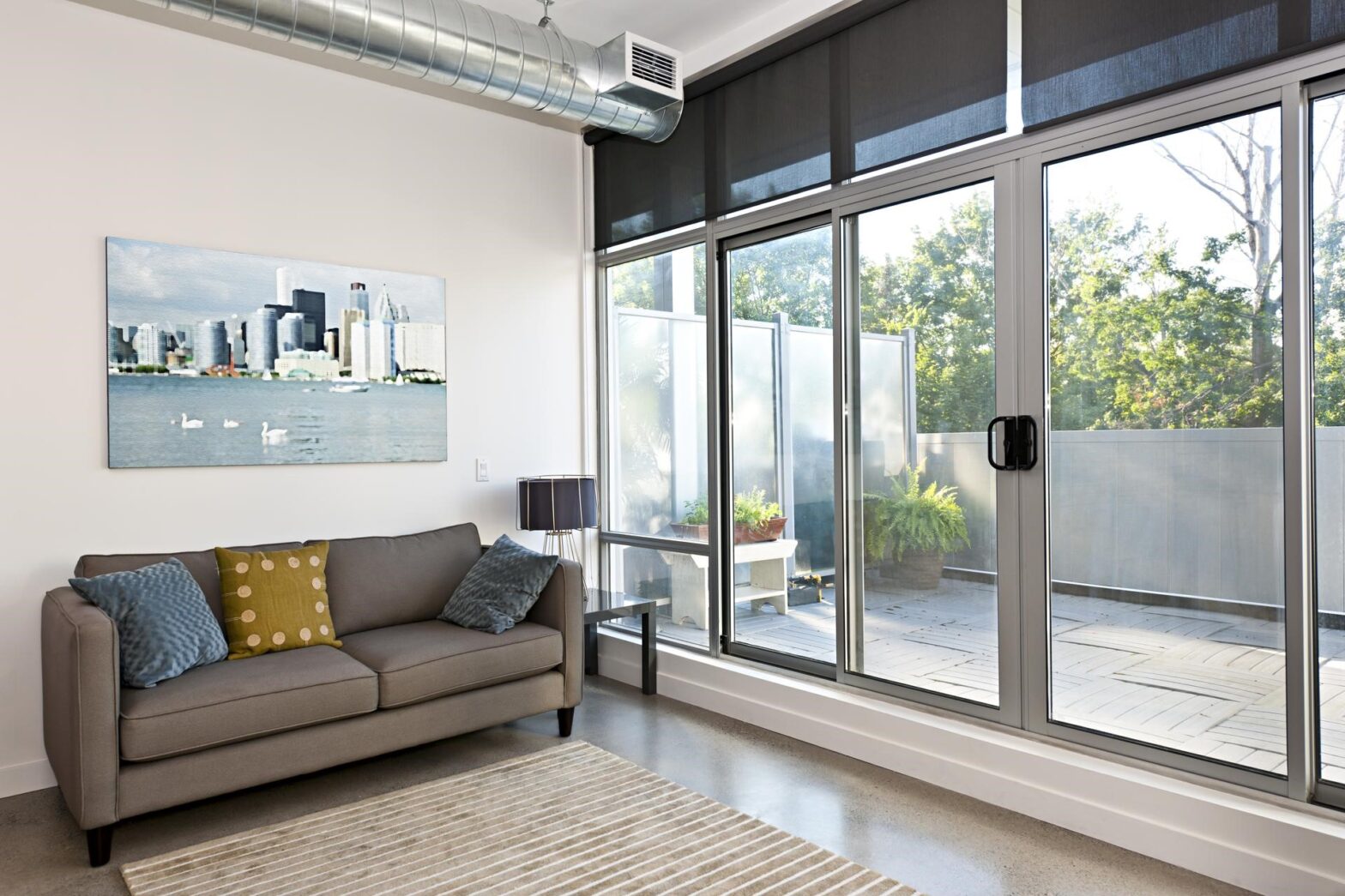
There's something wonderfully efficient about sliding windows that makes them perfectly suited to modern living. While architectural trends come and go, the appeal of a window that glides smoothly along a track without encroaching on your interior or exterior space remains consistently relevant. For homeowners seeking to maximize both functionality and contemporary aesthetics, sliding windows offer a compelling solution that seamlessly blends form with purpose.
The beauty of sliding windows lies in their elegant simplicity. Unlike traditional window styles that swing inward or outward, these windows operate on a horizontal plane, sliding effortlessly to open and close. This fundamental design difference creates opportunities for homeowners who want to make the most of their living spaces without sacrificing natural light, ventilation, or views of the outdoors.
The Appeal of Horizontal Design
Contemporary home design increasingly emphasizes clean lines, uncluttered spaces, and thoughtful use of every available area. Sliding windows align beautifully with this philosophy. Their horizontal orientation naturally draws the eye across a space rather than up and down, creating a sense of expansiveness that works particularly well in modern architectural contexts.
When you consider how windows interact with both interior and exterior spaces, the horizontal configuration becomes even more advantageous. Furniture placement becomes less complicated when you don't need to account for window clearance. Outdoor patios and deck areas remain accessible and unobstructed. The flow between indoor and outdoor living areas feels more intentional and less interrupted.
This horizontal emphasis also creates interesting visual possibilities. Wide sliding windows can frame panoramic views, turning your surrounding landscape into a living artwork that changes with the seasons. The extended sightlines they provide make rooms feel larger and more connected to the world beyond their walls.
Space Efficiency That Makes Sense
The practical advantages of sliding windows become particularly apparent in specific situations. Homes with smaller footprints benefit immensely from windows that don't require swing space. Urban dwellings where outdoor areas might be limited find that sliding windows provide ventilation without interfering with balcony furniture or planters.
Consider areas of your home where traditional windows might feel awkward or restrictive. Above kitchen sinks, sliding windows allow for easy operation without reaching over fixtures or countertops. In bathrooms, they provide privacy and ventilation without the complications of outward-swinging mechanisms that might interfere with outdoor landscaping or neighboring structures.
The space-saving nature extends to interior design possibilities as well. When planning a custom window install, knowing that your windows won't swing into your living space opens up new opportunities for furniture arrangement and decor. You can place seating closer to windows, position plants on windowsills without worry, or arrange shelving adjacent to window frames with confidence.
Versatility in Application
One of the most appealing aspects of sliding windows is their adaptability to various architectural styles and home configurations. They work equally well in single-story ranch homes, multi-level contemporary designs, and everything in between. Their streamlined profile complements minimalist aesthetics while remaining appropriate for more traditional settings when chosen thoughtfully.
The width of sliding windows can be customized to suit different needs and spaces. Narrower configurations work well in smaller rooms or as accent windows, while wider versions can create dramatic focal points in living areas or master bedrooms. This flexibility means you're not locked into a one-size-fits-all approach when selecting home windows for your property.
Different areas of your home may benefit from sliding windows in unique ways. Bedrooms gain easy ventilation control without disrupting sleep spaces. Living areas enjoy unobstructed views and natural light. Home offices appreciate the ability to adjust airflow quietly without the noise of swinging windows opening and closing.
The Contemporary Aesthetic Connection
Modern architecture often emphasizes transparency, connection to nature, and the elimination of unnecessary visual clutter. Sliding windows support all these design principles effectively. Their clean lines and minimal hardware create an understated elegance that doesn't compete with other design elements in your home.
The frame profiles of contemporary sliding windows tend toward sleeker designs that maximize glass area while minimizing visual obstruction. This approach creates a nearly seamless transition between interior and exterior environments. When closed, they function almost like transparent walls. When open, they invite the outside world in without creating physical barriers or awkward angles.
Color and finish options for sliding window frames have expanded significantly, allowing homeowners to coordinate their windows with broader design schemes. Whether you prefer the classic look of white frames, the warmth of wood tones, or the modern edge of darker colors, some options can complement your home's existing or planned aesthetic.
Practical Considerations for Daily Living
Beyond aesthetics and space efficiency, sliding windows offer practical benefits that enhance everyday life. Their operation is intuitive and requires minimal effort, making them accessible for household members of varying ages and abilities. There's no struggle with cranks, no reaching for high latches, just a simple sliding motion that opens or closes the window.
Maintenance considerations factor into long-term satisfaction with any window choice. Sliding windows generally feature straightforward designs that make cleaning and upkeep manageable. The track system that enables their smooth operation can be maintained with basic household care, helping ensure reliable function over time.
Weather protection is another consideration that sliding windows handle effectively. When properly installed and maintained, they create secure seals against the elements. The locking mechanisms provide peace of mind regarding home security, while the design inherently resists the wind-related stress that can affect windows with exposed hinges or outward-swinging configurations.
Integration With Outdoor Living Spaces
As homeowners increasingly view their properties as unified indoor-outdoor environments, sliding windows serve as important transition elements. They can be positioned to complement patio doors, creating consistent sightlines and visual flow. When opened, they help dissolve the boundaries between interior comfort and exterior ambiance.
The relationship between sliding windows and outdoor entertaining spaces deserves consideration. Kitchen sliding windows can open to pass-through areas, facilitating outdoor dining and gatherings. Living room windows can bring fresh air into social spaces without disrupting conversation or activities. This seamless integration enhances the functionality of your entire property.
Landscaping and window selection often influence each other in positive ways. Sliding windows allow you to position plantings closer to your home's exterior without worrying about window operation interfering with branches or foliage. This proximity between greenery and glazing creates layered visual interest and brings natural elements right up to your window frames.
Energy Considerations in Modern Homes
Contemporary homeowners rightly consider the energy performance of every component in their homes. Windows play a significant role in overall comfort and efficiency. Sliding windows, when selected and installed properly, contribute to a well-performing building envelope that helps maintain comfortable interior temperatures throughout the year.
The stationary panel in a sliding window system creates a permanently sealed section that doesn't move, eliminating potential air leakage points that might occur with operable sections. The operating panel, when closed and locked, compresses against weather stripping to form a tight seal. This design approach supports the goal of creating an energy-conscious home environment.
Glass selection within sliding window frames also impacts performance. Modern glazing technologies offer various options that can be matched to your local climate and specific needs. The large glass areas typical of sliding windows mean that thoughtful glass selection becomes even more important in achieving your comfort and efficiency goals.
The Installation Perspective
When considering a home window installation project, understanding how different window types integrate into your home's structure helps set realistic expectations and timeline considerations. Sliding windows generally work well with standard rough openings, though, as with any significant home improvement, professional assessment ensures proper fit and function.
The installation process affects not just the immediate project timeline but also the long-term performance of your windows. Proper installation ensures that sliding mechanisms operate smoothly, seals remain effective, and the overall structural integrity of your home remains intact. These factors contribute significantly to your satisfaction with the windows for years to come.
Coordination between window selection and installation timing can be important, particularly if you're working within specific weather windows or managing a larger renovation project. Planning ahead helps ensure that your new windows arrive when needed and can be installed under favorable conditions that support quality workmanship.
Making Sliding Windows Work for You
Every home has unique characteristics that influence which window solutions work best. Room dimensions, architectural style, climate conditions, and personal preferences all play roles in determining the ideal window approach for your property. Sliding windows often emerge as strong candidates when these factors are considered holistically.
Think about how you actually use the spaces in your home. Do you value unobstructed views? Is furniture placement challenging with your current windows? Would simplified window operation improve your daily routine? These questions can help clarify whether sliding windows align with your lifestyle and needs.
The investment you make in new windows represents a significant commitment to your home's future. Choosing window styles that genuinely enhance your living experience while supporting your property's architectural character creates value that extends beyond simple functionality. Sliding windows offer this combination when they're the right fit for your situation.
Looking Forward
Home design continues evolving, but certain principles remain constant. The desire for natural light, connection to the outdoors, efficient use of space, and clean aesthetics persists across changing trends. Sliding windows embody these enduring values while adapting to contemporary construction methods and homeowner expectations.
As you consider options for upgrading or replacing windows in your home, keeping an open mind about different styles and their potential applications serves you well. Sliding windows might be ideal for some areas of your home, while other window types better suit different spaces. A thoughtful, room-by-room evaluation often reveals opportunities you might not have initially considered.
Sliding windows represent a practical, aesthetically pleasing solution for contemporary homes where space efficiency and clean design matter. Their horizontal operation, versatility in application, and compatibility with modern architectural principles make them worthy of consideration for any homeowner planning window upgrades or new construction. By eliminating swing space requirements while providing ample natural light and ventilation, they solve common challenges in ways that traditional window styles sometimes cannot.
The decision to incorporate sliding windows into your home reflects a thoughtful approach to balancing form and function. Whether you're drawn to their space-saving characteristics, their contemporary aesthetic, or their straightforward operation, these windows offer tangible benefits that enhance daily living. As you explore options for your property, consider how the unique attributes of sliding windows might address your specific needs and design preferences.
If you're ready to explore how sliding windows could enhance your home's functionality and style, reach out to our team for personalized guidance tailored to your property and vision.
Frequently Asked Questions
Can sliding windows be used in multi-story homes?
Yes, sliding windows work well on upper floors of homes. Their operation doesn't require reaching outside or managing outward-swinging panels, which can actually make them safer and more practical for second-story or higher installations. They're particularly useful in bedrooms, bathrooms, and other spaces where exterior access is limited.
How do I choose the right width for sliding windows?
The appropriate width depends on your room size, the scale of your home's architecture, and the view you want to frame. Wider sliding windows create more dramatic visual impact and allow greater ventilation when open, while narrower configurations suit smaller spaces and maintain proper proportions in modest-sized rooms. Consulting with window professionals can help you determine dimensions that work best for your specific situation.
Do sliding windows work well in regions with extreme weather?
Sliding windows can perform effectively across various climate conditions when properly selected and installed. The key lies in choosing appropriate materials, glazing, and weather stripping for your local environment. Whether you experience hot summers, cold winters, or coastal conditions, there are sliding window configurations designed to handle those challenges while maintaining their operational benefits.
What maintenance do sliding windows typically require?
Regular cleaning of glass and frames keeps sliding windows looking their best, while occasional attention to tracks and moving components helps maintain smooth operation. Keeping tracks free of debris, checking weather stripping periodically, and ensuring drainage holes remain clear are simple maintenance tasks that support long-term performance. Most homeowners find these requirements straightforward and manageable with routine household care.
Are there situations where sliding windows might not be the best choice?
While sliding windows offer many advantages, they may not be ideal for every application. Spaces that require maximum ventilation from a single window might benefit from styles that open more fully. Architectural styles that call for specific traditional window types might look more cohesive with those original designs. Historic homes may have preservation requirements that guide window choices. Evaluating your specific needs and context helps determine the best window solution for each area of your home.